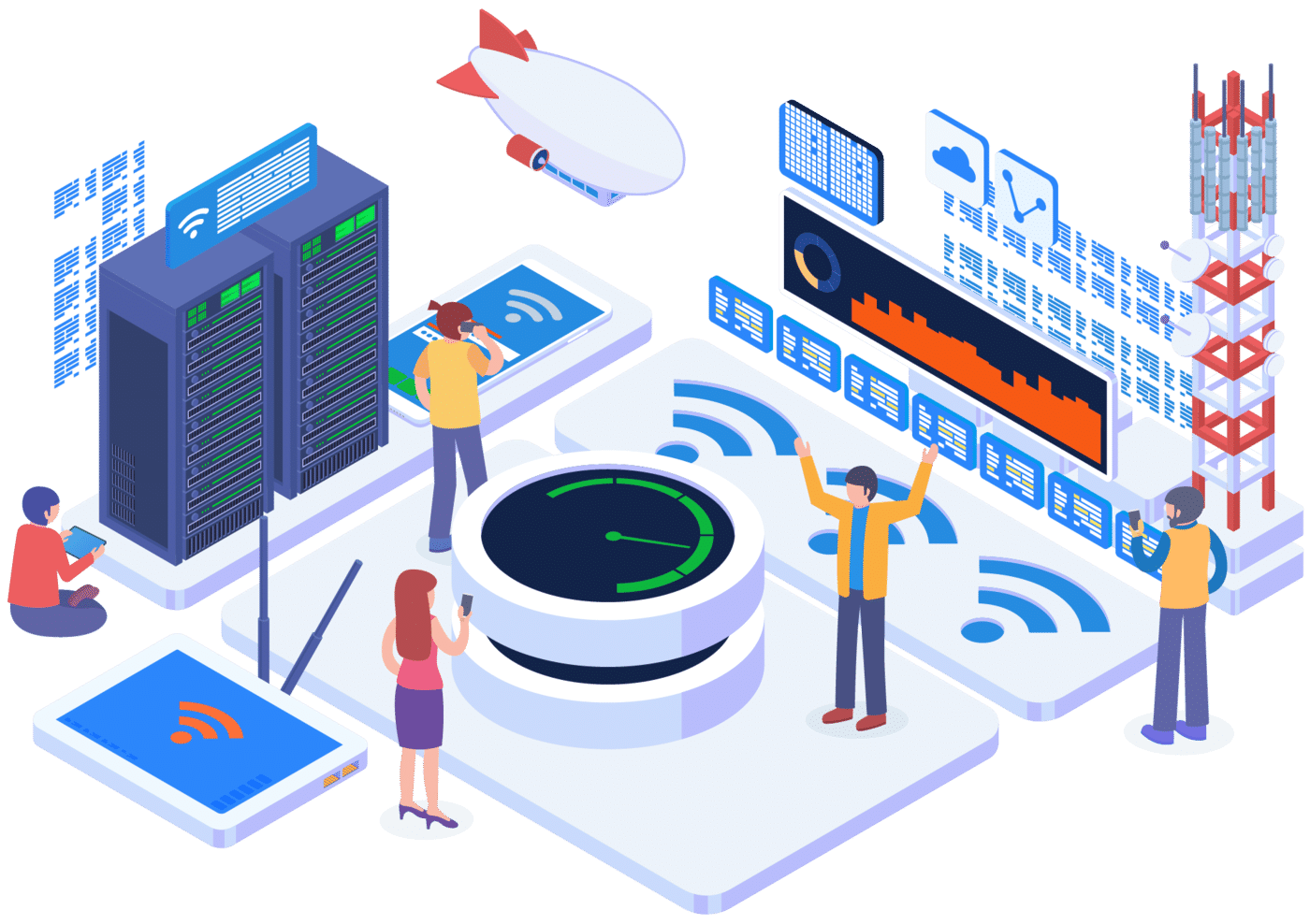
Understanding the Role of Connectivity in Our Daily Digital Interactions
In today's hyper-connected world, connectivity plays a pivotal role in shaping our daily digital interactions. With the advent of advanced technologies and widespread internet access, individuals can communicate, share, and collaborate more efficiently than ever before. Whether through social media platforms, video conferencing tools, or instantaneous messaging applications, the essence of our digital lives is significantly influenced by the quality and speed of our connectivity. Understanding how this connectivity impacts our interactions can help us leverage technology better to enhance personal and professional relationships.
Moreover, the importance of connectivity extends beyond mere communication; it also affects information accessibility and consumption. As users, we rely heavily on a stable internet connection to access vast resources, from online learning platforms to news websites. In this regard, the digital landscape is constantly evolving, and staying informed about the latest trends in connectivity can empower individuals and organizations alike. By fostering a deep understanding of connectivity, we can navigate our digital interactions more effectively and make informed decisions that benefit our everyday lives.
Counter-Strike is a highly popular first-person shooter game that pits two teams against each other: terrorists and counter-terrorists. Players engage in tactical gameplay that emphasizes teamwork, strategy, and skill. To enhance your gaming experience, you might consider checking out the Top 10 macbook air accessories that can improve performance and comfort during long gaming sessions.
How Connectivity Shapes Our Online Experiences: Exploring the Invisible Networks
In today's digital age, connectivity is the backbone of our online experiences, shaping how we interact with information and each other. The invisible networks that facilitate this connectivity, including broadband internet and mobile networks, enable users to access a vast array of resources and services at unprecedented speeds. This seamless flow of data has transformed our daily lives, empowering individuals to collaborate, learn, and engage in ways that were once unimaginable. Understanding the intricacies of these invisible networks is key to appreciating the richness of our online interactions.
Moreover, the impact of connectivity extends beyond mere access to information; it plays a pivotal role in shaping user experiences across various platforms. For instance, the speed and reliability of an internet connection can significantly influence user engagement and satisfaction. Research has shown that slow-loading websites can deter visitors, affecting both traffic and conversion rates. Additionally, the rise of social media and digital communication tools relies heavily on robust connectivity, highlighting how invisible networks form the foundation for community building and the sharing of ideas across the globe.
What Does Connectivity Mean in the Age of Digital Transformation?
In the age of digital transformation, connectivity goes beyond merely establishing a network between devices. It encapsulates the interaction and integration of various technologies, enabling seamless communication and data exchange. This enhanced connectivity fosters collaboration, innovation, and efficiency across industries. For example, the Internet of Things (IoT) allows everyday objects to connect to the internet, sharing data and creating intelligent environments that adapt to users' needs.
Moreover, the significance of connectivity is highlighted by its impact on customer experiences. Businesses that leverage digital tools to improve their connection with clients can offer personalized services, timely support, and valuable insights. As companies invest in advanced technologies like 5G and cloud computing, they enhance their ability to connect with customers in real time, ultimately driving satisfaction and loyalty. The evolution of connectivity plays a pivotal role in shaping the future of both business strategies and consumer expectations.