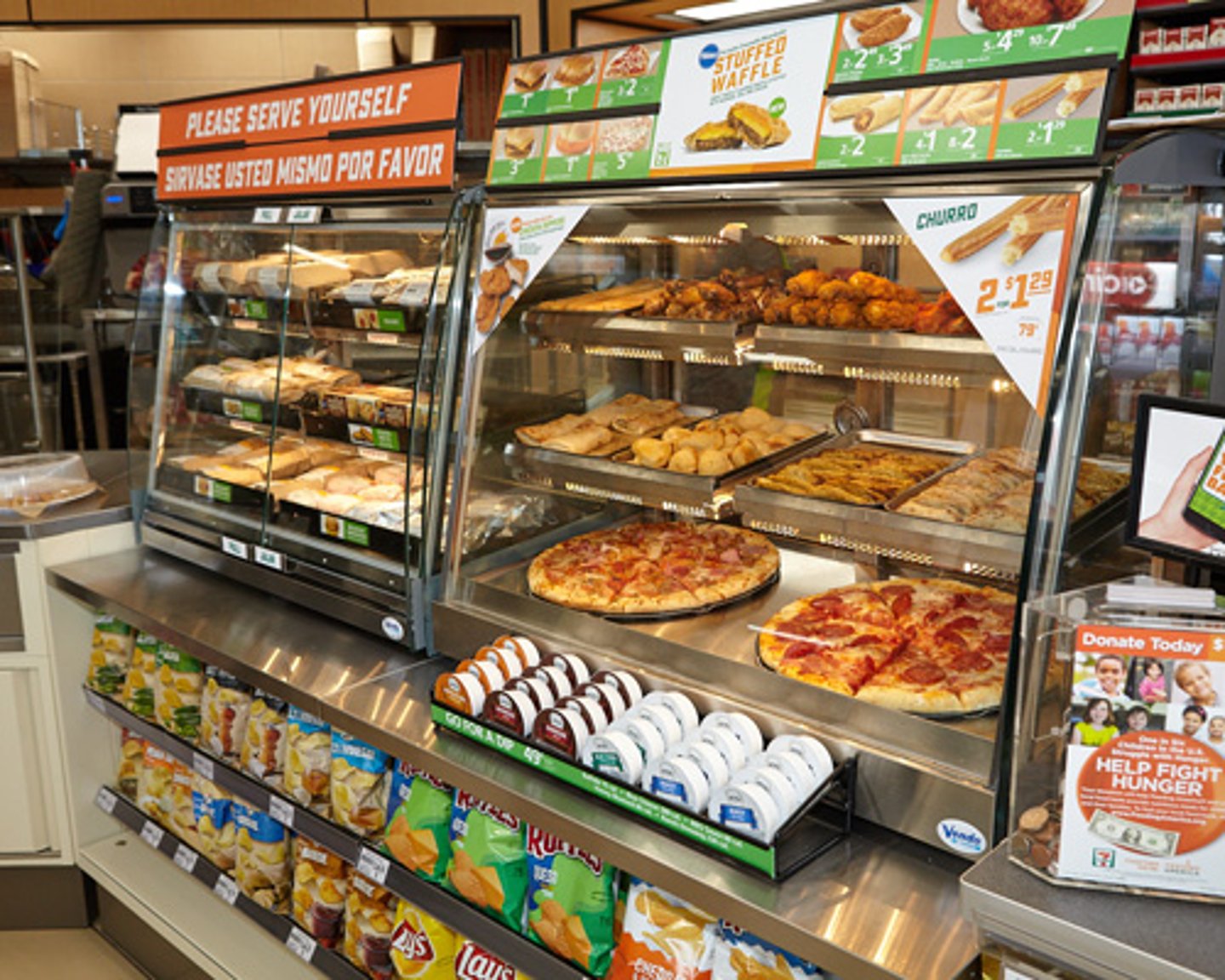
The Duality of Convenience: How Ease of Use Can Sometimes Lead to Oversights
The modern world thrives on convenience, with technological advancements making our daily tasks simpler than ever. From smartphones to smart home devices, the ease of use often leads us to overlook important details. Convenience allows us to streamline our workflow, but it can also create a false sense of security. For instance, users may become overly reliant on automated systems for tasks such as banking or personal organization, diminishing their attention to potential errors or security risks.
This duality of convenience is particularly evident in digital platforms, where the desire for user-friendly interfaces often overshadows critical oversight. Ease of use may entice users to skip essential steps, such as reading terms and conditions or verifying credentials, which can result in significant consequences. This phenomenon can be summarized in three key points:
- Automated systems can misinterpret user inputs due to assumptions made for convenience.
- Users may neglect to verify information when it is presented in a simplified manner.
- Reliance on convenience tools can lead to reduced critical thinking skills over time.
Counter-Strike is a popular first-person shooter game that has captivated gamers since its release. Players engage in team-based combat, often choosing between terrorists and counter-terrorists, and must work together to complete objectives. For those looking to elevate their gaming experience, check out the Top 10 iPhone wallet cases that not only protect your device but also offer convenience while gaming. The strategic gameplay and emphasis on teamwork make it a thrilling experience for both casual and competitive players alike.
Who's Playing the Fool? Examining the Trade-offs of Convenience in Modern Life
In today's fast-paced world, the allure of convenience often comes at a hidden cost. As technology advances, we find ourselves drawn to solutions that simplify our daily tasks—ordering groceries online, utilizing ride-sharing apps, and automating our home environments. However, as we embrace these conveniences, it's essential to ask, who's playing the fool? Are we sacrificing our personal connections, critical thinking, and daily exercise in exchange for time-saving gadgets? The trade-offs can be subtle yet profound, leading us to reconsider whether our pursuit of comfort is ultimately worth the price we pay.
Moreover, the convenience culture perpetuates a cycle of dependency that can diminish our problem-solving skills and resilience. For instance, relying heavily on GPS technology can impair our natural sense of direction, while frequent online shopping may lead to impulsive buying behaviors that inflate our expenditures. On a broader scale, this trend raises questions about societal impacts—are we becoming less engaged citizens, too wrapped in our screens to participate meaningfully in our communities? As we navigate these modern conveniences, it's crucial to weigh the benefits against the potential risks, ensuring that in our quest for easier living, we don't end up playing the fool ourselves.
Convenience at What Cost? Understanding the Hidden Jesters in Our Daily Lives
In today's fast-paced world, the allure of convenience often overshadows the hidden costs that come with it. From smartphone applications that order our groceries to streaming services that provide instant entertainment, we increasingly prioritize ease and speed over other considerations. However, this shift raises important questions about our reliance on technology. Are we trading away our time, privacy, and even mental health for the sake of convenience? As we delve deeper into this topic, we must pay attention to the hidden jesters that accompany our daily conveniences, revealing how they might be disrupting the fabric of our lives.
The hidden jesters of convenience often manifest in various forms. For instance, many of us have become dependent on technology for basic tasks, leading to a decline in critical thinking and problem-solving skills. This dependency can create a paradox where the more we seek convenience, the more we may lose our autonomy. Moreover, the environmental impact of our convenience-driven choices cannot be overlooked, as single-use plastics and rapid delivery systems contribute to pollution and waste. To truly understand the balance between convenience and its repercussions, we must engage in a conscious dialogue about the trade-offs we are willing to accept in our daily lives.