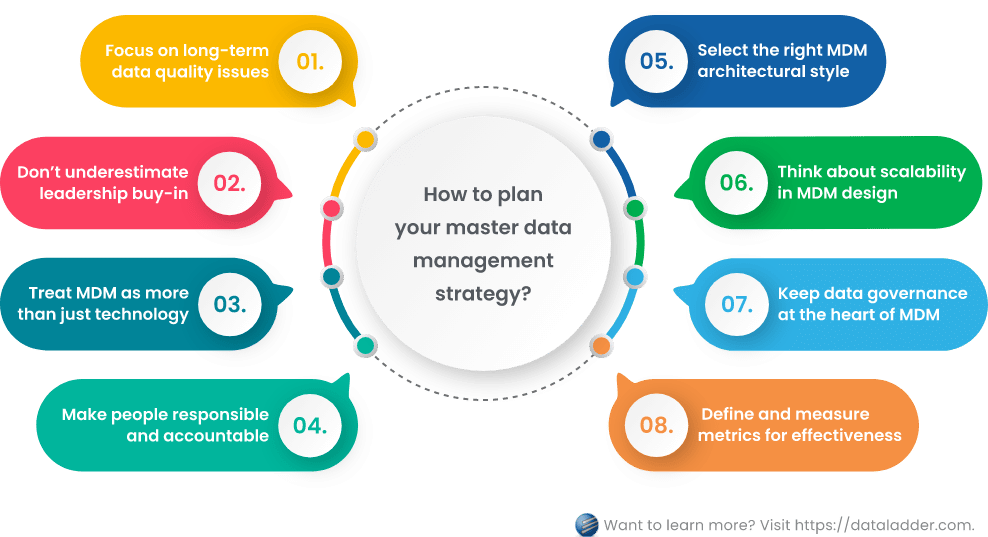
5 Essential Data Management Practices for a Seamless Digital Ecosystem
Effective data management is crucial for any organization striving to maintain a seamless digital ecosystem. Implementing the right practices can help enhance data integrity, streamline processes, and improve decision-making. Here are five essential data management practices to consider:
- Data Governance: Establishing a clear data governance framework ensures that data is consistently managed, maintained, and utilized across the organization. This includes defining roles and responsibilities related to data quality and access.
- Data Quality Management: Regularly monitoring and cleansing your data helps maintain its accuracy and reliability. Investing in tools that facilitate automated data validation can save time and reduce errors.
Another vital aspect of effective data management is data integration. This process involves combining data from various sources to create a unified view, allowing for comprehensive analysis and reporting. Additionally, implementing data security measures is essential to protect sensitive information from breaches and unauthorized access.
- Data Backup and Recovery: Regular backups are critical to ensure that your data can be restored in case of system failures or cyber attacks.
- Data Lifecycle Management: Understanding the different stages of data—from creation to deletion—enables organizations to optimize storage resources and comply with regulatory requirements.
Counter-Strike is a highly popular multiplayer first-person shooter game that has captivated gamers since its initial release in 1999. Players join either the terrorist or counter-terrorist team and compete in various game modes, including bomb defusal and hostage rescue. For gamers looking to enhance their gaming setup, check out the Top 10 mac accessories for creators to improve their performance and overall experience.
How to Choose the Right Data Management Tools for Your Business
Choosing the right data management tools for your business is crucial for maximizing efficiency and maintaining data integrity. Start by assessing your specific needs—consider factors such as data volume, complexity, and the types of data you handle. For larger organizations, a comprehensive solution that integrates with existing systems may be necessary, while smaller businesses might benefit from simpler, more cost-effective options. Research various tools by reading reviews and exploring features to determine which align best with your objectives.
Once you’ve narrowed down your options, it’s important to evaluate the scalability and adaptability of the tools. A tool that meets your current requirements should also support future growth and changes in your data management strategies. Don't forget to consider user support and community feedback, as resources and help can make a significant difference in your experience. To assist in your decision-making, create a comparison table listing the key features, pricing, and pros and cons of each tool. This structured approach will help ensure you select the most suitable data management solution for your business.
What You Need to Know About Data Governance in Today’s Digital Age
Data governance has become increasingly vital in today's digital age, as organizations grapple with the exponential growth of data and the need to manage it responsibly. Effective data governance encompasses a set of processes, policies, and standards that ensure high-quality data management. This includes data security, compliance with regulations, and the establishment of data ownership. As more businesses rely on data-driven decision-making, implementing a robust data governance framework will not only enhance operational efficiency but also build trust with customers who are increasingly concerned about how their information is handled.
To effectively implement data governance, organizations should consider several key components:
- Data Stewardship: Designate individuals responsible for overseeing data management practices.
- Data Quality: Establish standards to ensure data accuracy and reliability.
- Compliance: Stay informed about regulations such as GDPR or CCPA that impact data handling.
- Training and Awareness: Conduct regular training for employees to foster a culture of data responsibility.