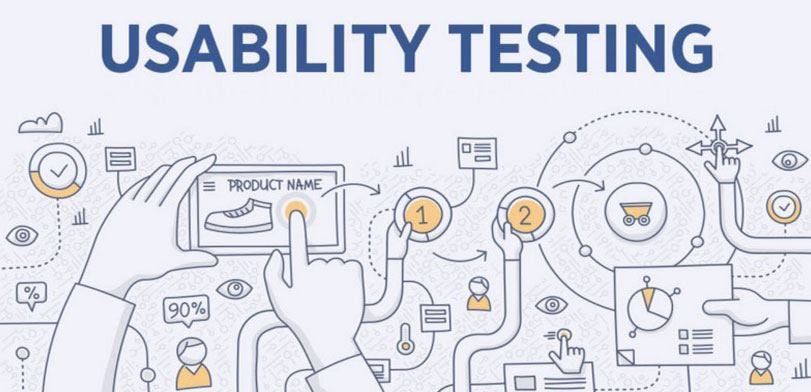
Understanding the Balance: How to Choose the Right Features for Your Product
Choosing the right features for your product is crucial to its success in the market. Understanding the balance between user needs and technical feasibility can significantly affect customer satisfaction and adoption rates. Start by prioritizing features based on customer feedback and market research. Consider creating an ordered list to categorize features into must-haves, nice-to-haves, and future enhancements. This approach will help streamline your development process and ensure that core functionalities are delivered on time.
Additionally, it’s essential to maintain flexibility throughout the product development lifecycle. As you gather more data from user interactions, be prepared to adapt your feature set accordingly. This iterative process allows you to strike the right balance between innovation and practicality, ensuring that your product continues to meet evolving user expectations. Remember, successful products often feature a focus on user-centric design while remaining technically sound and marketable.
Counter-Strike is a highly popular first-person shooter game that pits teams of terrorists against counter-terrorists in various objective-based scenarios. Players engage in intense tactical gameplay, utilizing a variety of weapons and strategies to secure victory. For gamers looking to protect their gear, check out the Top 10 macbook sleeves which offer both style and functionality.
The Social Side of Software: Why Functionality Matters in User Engagement
In today's digital landscape, the social side of software has become increasingly vital to user engagement. A well-designed software application is not just about functionality but about creating meaningful interactions among users. When users can connect, share, and collaborate within the software, it enhances their overall experience and drives engagement. Features such as social media integration, real-time chat functionalities, and user-friendly interfaces facilitate easy communication. This interconnectedness not only makes the software more appealing but also cultivates a sense of community among users, encouraging them to stay longer and interact more.
Moreover, the importance of functionality cannot be understated. If the core features of the software do not meet the needs of the users, no amount of social integration can salvage the experience. Users expect seamless navigation, efficient performance, and reliable outcomes from the software they use. Incorporating feedback loops and user testing into product development can significantly improve software functionality, ensuring that the social features are both relevant and useful. When users feel that their feedback influences the software's evolution, they are more likely to engage deeply and build lasting relationships within the platform.
Are You Overloading Your Product? Signs It's Time to Simplify Features
In today's fast-paced market, overloading your product with excessive features can often lead to confusion and frustration for users. If you notice a spike in customer complaints or an increase in support tickets related to product functionality, it may be a clear indication that your offering has become too complex. Signs it's time to simplify features can include a declining user engagement rate, where customers seem overwhelmed by choices and struggle to understand your product's core value. Remember, a cluttered interface can hinder user experience and ultimately deter potential customers.
Moreover, if your product's unique selling proposition (USP) has become diluted because of additional features, it's crucial to step back and reassess. A product that tries to do everything often ends up doing nothing effectively. To simplify, consider creating an ordered list of the most valued features based on customer feedback and usage analytics. This approach will help you prioritize what truly matters to your users, ensuring that your product remains focused and user-friendly.