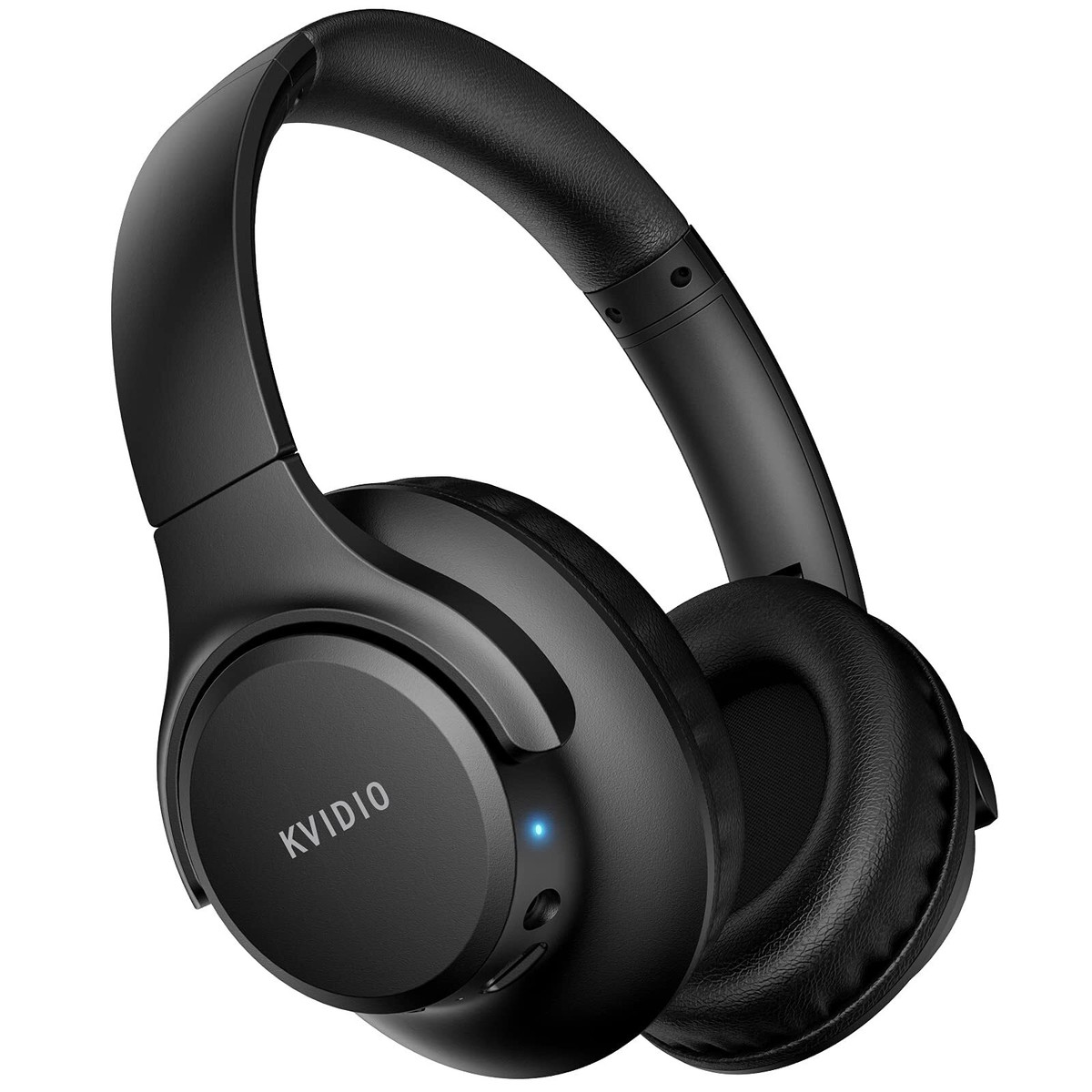
5 Essential Rules for Headphone Etiquette in Public Spaces
In today's fast-paced world, headphone etiquette has become increasingly important, especially in public spaces where many people coexist. The first rule to remember is to keep the volume low. This not only protects your hearing but also prevents disturbing those around you. No one wants to hear the latest pop song or podcast blaring from the earbuds of a stranger. Additionally, consider using noise-canceling headphones, which can help you enjoy your audio content without having to crank up the sound.
The second rule is to be aware of your surroundings while listening. If you're walking through a crowded area or using public transportation, it's crucial to stay alert to maintain your safety and the comfort of others. Always be prepared to pause your music or remove one earbud if someone speaks to you or if you need to interact with your environment. Lastly, consider following the 5-minute rule: if you're in a public space and someone is trying to communicate, it’s respectful to pause your audio for a brief moment and engage in the conversation.
Counter-Strike is a highly popular tactical first-person shooter game that pits teams of terrorists against counter-terrorists in various game modes. Players can experience intense multiplayer matches and strategic gameplay, where teamwork and communication are essential for success. For those looking to enhance their gaming experience, you might also be interested in checking out the Top 10 iPad Accessories for Kids to make gaming more enjoyable for younger audiences.
How to Choose the Right Headphones for Different Environments
Choosing the right headphones for different environments requires understanding the unique features and functionalities that can enhance your listening experience. Begin by considering the environment in which you will be using your headphones. For instance, if you plan to use them in a noisy environment like a crowded subway, noise-canceling headphones are ideal. These headphones can significantly reduce ambient noise, allowing you to focus on your music or podcasts without distractions. On the other hand, if you are using headphones in a quieter setting such as your home or office, open-back headphones may be preferable as they provide a more natural sound experience.
Next, think about your primary activities while using headphones. If you're an athlete or someone who enjoys working out, look for sweat-resistant and secure-fitting options like wireless sports headphones. Conversely, if you often travel or need headphones for long listening sessions, comfort features such as padded ear cups and adjustable headbands are critical. Finally, evaluating connectivity options, such as Bluetooth versus wired, can also impact your choice based on convenience and sound quality preferences. By taking these factors into account, you can make an informed decision and find the perfect pair of headphones tailored to your specific needs.
The Impact of Noise-Canceling Headphones on Social Interactions
The advent of noise-canceling headphones has profoundly altered the landscape of social interactions. Many individuals use these headphones to create a personal sound space, blocking out external noise and social distractions. This self-imposed barrier can lead to increased productivity and focus, but it can also create a disconnect in social settings, making it difficult for users to engage in conversations. As a result, many find themselves opting for solitary experiences rather than participating in communal activities or engaging with friends and family.
Moreover, the use of noise-canceling headphones can have a subtle yet significant impact on non-verbal communication. When someone wears these headphones in a social setting, it can be interpreted as a signal of disengagement or lack of interest in the surrounding interactions. This can lead to misunderstandings and a decrease in social cohesion. To strike a balance, users might consider the context and be mindful of when to wear their headphones, ensuring that they remain accessible and open to social engagement while still enjoying their personal audio experience.