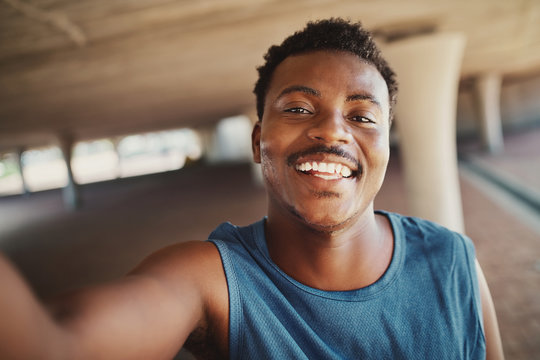
The Psychology Behind the Perfect Selfie: What Our Pouts Say About Us
The perfect selfie is not just about lighting and angles; it's a complex interplay of psychology and self-perception. Selfies are a form of self-expression that reflects our inner thoughts and emotions. When we pout for the camera, we may be subconsciously communicating a variety of messages, ranging from confidence to vulnerability. Research suggests that the way we pose can directly correlate to our self-esteem and how we perceive our attractiveness. This connection between our expressions and our mental state raises fascinating questions about what our chosen angles and pouts reveal about us.
Moreover, the psychology behind pouting in selfies often ties into social validation and the desire for approval. Many individuals edit their selfies with filters or adjust their poses to enhance their appeal, seeking affirmation from their peers through likes and comments. The instant feedback provided by social media platforms can reinforce certain behaviors, further entrenching the relationship between our pouts and our need for acceptance. Ultimately, understanding the psychology of the perfect selfie allows us to reflect on our motivations and what we truly seek to communicate to the world.
Counter-Strike is a popular tactical first-person shooter game that has garnered a massive following since its release. Players engage in team-based combat where one team takes on the role of terrorists, while the other plays as counter-terrorists. The game emphasizes strategy, teamwork, and skill, making it a favorite among competitive gamers. For players looking to enhance their gaming experience, using quality equipment is essential. Check out the Top 10 iphone tripods to find the best accessories for mobile gaming.
Are Selfies Damaging Our Self-Esteem? Exploring the Hidden Effects
The rise of social media has led to an explosive popularity of selfies, but there is a growing concern about their impact on our self-esteem. Research suggests that the act of taking and sharing selfies can lead to increased anxiety, particularly when users begin to compare themselves to others. This cycle of comparison can create unrealistic standards of beauty, making individuals feel inadequate or dissatisfied with their own appearance. As we scroll through an endless stream of perfectly curated images, it's important to recognize how these comparisons might distort our self-image and affect our emotional well-being.
Furthermore, the pursuit of likes and comments on selfie posts can result in an unhealthy fixation on social validation. When individuals tie their self-esteem to the approval of others, it can create a precarious sense of worth that is easily destroyed by negative feedback or lack of engagement. Studies have indicated that this dependence on external validation can lead to feelings of depression and low self-worth, particularly among younger users who are still forming their identities. To foster a healthier relationship with these technologies, it is crucial to promote self-acceptance and mindfulness in our interactions with social media.
From Filters to Confidence: How Social Media Shapes Our Self-Image
In today's digital age, social media platforms have revolutionized the way we perceive ourselves and others. As users scroll through countless curated images, the phenomenon of filters has become a cornerstone of online self-presentation. These alterations allow individuals to enhance their appearance, often leading to a distorted sense of beauty that diverges from reality. Research indicates that frequent exposure to filtered images can result in diminished self-esteem and body image issues, as people start comparing themselves to these unattainable standards. This stark contrast can foster a cycle of seeking further validation through likes and comments, making the quest for acceptance on social media a double-edged sword.
Moreover, the impact of social media extends beyond mere aesthetics; it significantly shapes our overall self-image and confidence. As we engage with platforms that reward popularity and attractiveness, the pressure to conform to specific ideals can become overwhelming. Users may find themselves adjusting their beliefs and personalities to align with perceived norms, often at the expense of authenticity. In this landscape, it's crucial to cultivate a sense of self-worth that is independent of digital validation. By promoting a healthier approach to social media usage, individuals can learn to embrace their uniqueness, ultimately transforming the online experience from one of insecurity to one that celebrates real confidence.