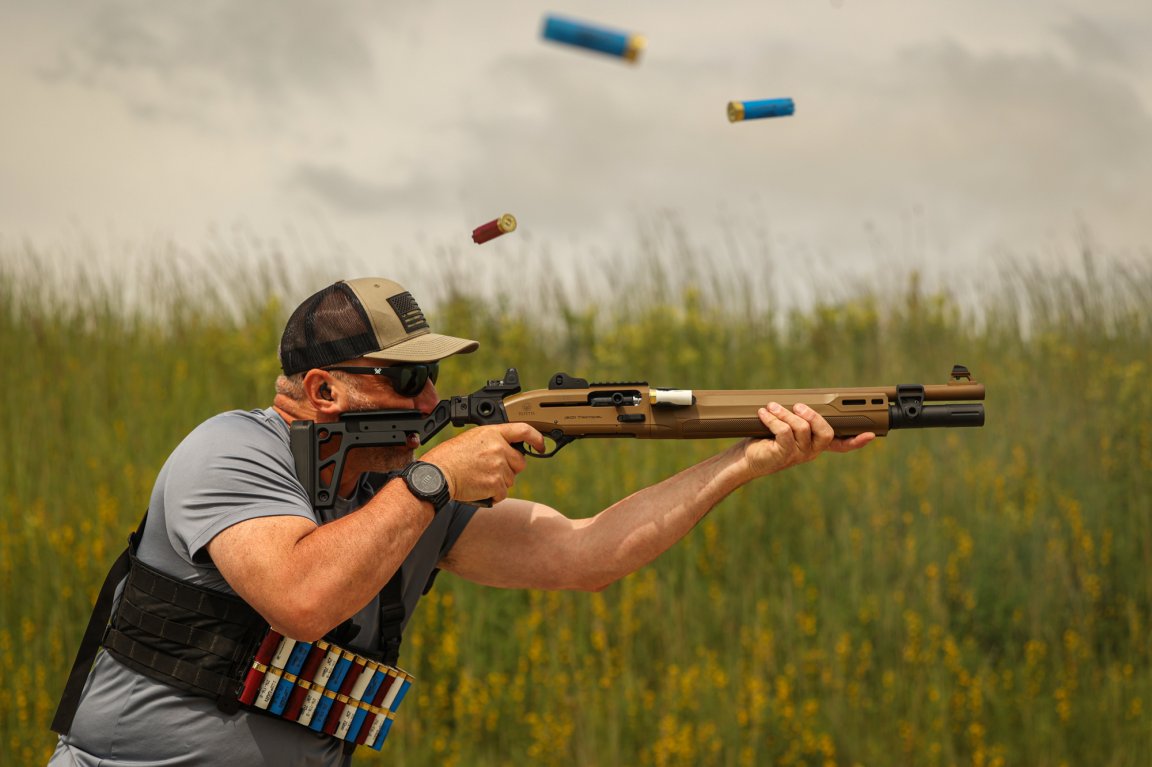
Exploring the Evolution of Shotgun Design: From Classics to Modern Innovations
The evolution of shotgun design is a fascinating journey that traces the development of these formidable firearms from their inception to the sophisticated varieties we see today. Dating back to the 17th century, early shotguns were rudimentary, often fashioned from smoothbore barrels. These weapons primarily relied on the sheer volume of shot to increase hit probability. As technology improved, innovations such as rifling and improved materials led to the creation of more accurate and durable shotguns. In particular, the introduction of interchangeable choke systems in the late 20th century revolutionized shotgun versatility, allowing enthusiasts to adapt their firearm for various shooting styles and game types.
In modern times, shotgun design continues to evolve, incorporating cutting-edge materials and technology. Manufacturers now utilize lightweight composites and advanced manufacturing techniques to enhance performance while minimizing weight. Features such as adjustable stocks, optical sights, and innovative recoil management systems have become prevalent, further improving user experience. As we look to the future, the integration of electronic systems and smart technology in shotguns is also on the horizon, promising to redefine how we approach shooting sports and hunting.
Counter Strike is a popular tactical first-person shooter game where players join either the terrorist or counter-terrorist team to complete objectives such as bomb defusal or hostage rescue. Its competitive nature and emphasis on teamwork have made it a staple in the esports scene. For gamers seeking high-quality audio during their gameplay, investing in a good microphone is essential. Check out the Top 10 iphone microphones to enhance your gaming experience.
The Art of Shotgun Shooting: Techniques and Tips for Enthusiasts
The art of shotgun shooting requires not only skill but also an understanding of various techniques that can enhance your performance. One of the fundamental aspects is mastering your stance. A solid stance involves feet shoulder-width apart, knees slightly bent, and your weight evenly distributed to maintain balance while shooting. Additionally, utilizing the right grip on your shotgun can make a significant difference. Ensure that you hold the stock firmly against your shoulder while maintaining a relaxed grip on the forend. This will aid in controlling recoil and improving accuracy.
Another key element in shotgun shooting is the importance of follow-through. After pulling the trigger, continue to keep your eyes on the target and your gun moving in the same direction. This practice prevents premature head movement that can lead to missed shots. Consider incorporating these essential tips into your routine:
- Practice tracking moving targets.
- Work on your timing and rhythm.
- Analyze and adjust your shooting technique regularly.
What Makes a Shotgun Perfect for You? Understanding Gauge, Choke, and Fit
Choosing the perfect shotgun for your needs involves understanding several key factors, including gauge, choke, and fit. The gauge of a shotgun refers to the size of the bore, with common options being 12, 20, and .410. Each gauge has its own advantages: for instance, a 12-gauge is versatile and widely used for various types of shooting, while a 20-gauge is typically lighter and easier to handle, making it favorable for smaller shooters or those seeking a lighter firearm.
Next, consider the choke of the shotgun, which affects the spread of the shot as it leaves the barrel. Different types of chokes, such as full, modified, and improved cylinder, determine how tight or wide the shot pattern will be, influencing your effectiveness in hitting moving targets. Finally, the fit of the shotgun is crucial for both comfort and performance; a gun that fits well improves accuracy and reduces recoil. To find the right fit, ensure that the stock length and drop are suitable for your shoulder height and shooting style.