The Science Behind Ergonomics: How Proper Design Supports Your Spine
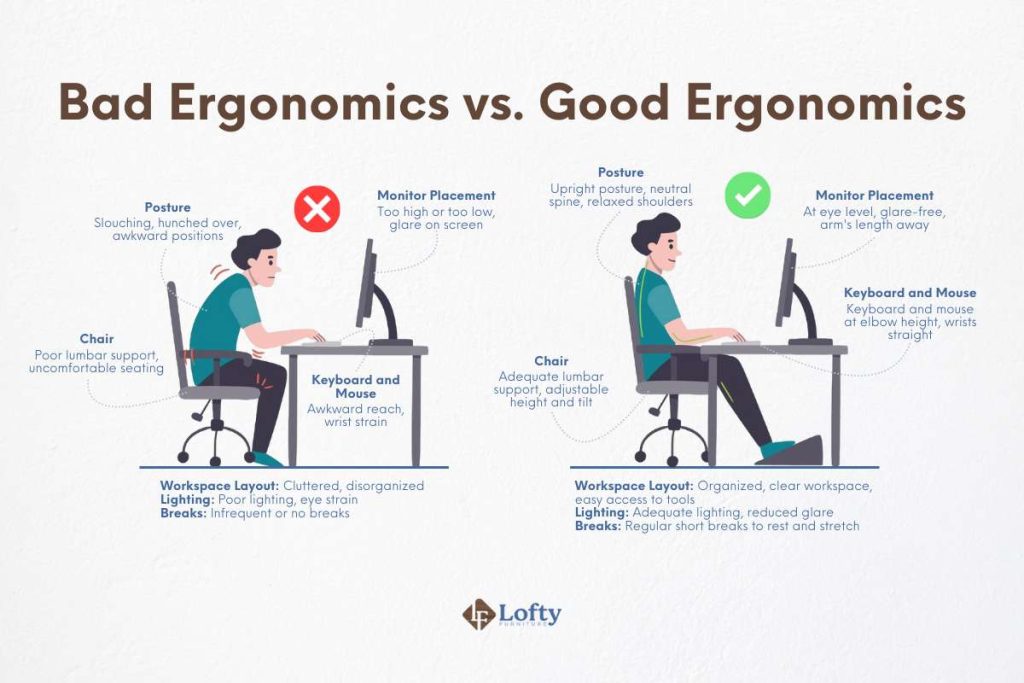
The science behind ergonomics is centered on understanding how the design of our environment and tools can impact our physical well-being. When considering proper design, it's essential to recognize the role it plays in supporting our spine. Ergonomic principles focus on creating workspace layouts and furniture that encourage natural body positions, reducing strain on the spine and surrounding muscles. By ensuring that chairs, desks, and other equipment are tailored to the user’s body mechanics, we can prevent discomfort and long-term health issues such as chronic back pain.
Key elements of ergonomic design include adjustable seating, proper desk height, and the strategic placement of monitors and peripherals. For instance, an office chair should provide adequate lumbar support to maintain the natural curve of the spine, promoting better posture. Additionally, keeping the computer monitor at eye level can help reduce neck strain, allowing for a more comfortable work experience. Incorporating these ergonomic practices not only enhances physical health but can also lead to increased productivity and overall job satisfaction.
Counter-Strike is a highly popular multiplayer first-person shooter game that has captivated gamers since its initial release in 1999. Players are divided into two teams, terrorists and counter-terrorists, engaging in intense battles across various maps. For those seeking the best audio experience during gameplay, check out the Top 10 Earbuds for Small Ears, which can enhance your immersion and strategy.
Top 5 Ergonomic Design Features Your Office Chair Must Have
When selecting an office chair, ergonomic design features are crucial to ensure comfort and productivity during long hours of work. Here are the top 5 ergonomic design features your office chair must have:
- Adjustable Seat Height: A chair with an adjustable seat height allows you to find the perfect position for your feet to rest flat on the ground, promoting proper posture.
- Lumbar Support: Proper lumbar support is vital for reducing lower back strain. Look for chairs that offer adjustable lumbar support to cater to your unique spine curvature.
- Seat Depth Adjustment: A seat that can be adjusted in depth helps accommodate users of different sizes, ensuring that there’s enough space between the back of the knees and the front of the seat.
- Armrests: Adjustable armrests are essential for easing shoulder strain and allowing a relaxed, ergonomic positioning of the arms.
- Swivel Base: A chair with a swivel base enhances mobility, allowing you to easily reach different areas of your workspace without straining.
Is Your Workspace a Pain in the Back? Discover the Benefits of Ergonomic Solutions
Have you ever experienced discomfort while working at your desk? If so, you're not alone. Ergonomic solutions are designed to create a workspace that promotes comfort and efficiency, ultimately reducing the risk of chronic pain and injuries. By investing in ergonomic furniture and tools, such as adjustable chairs and desks, you can significantly improve your posture and overall well-being. Is your workspace a pain in the back? Consider evaluating your current setup and making necessary adjustments to enhance your productivity and health.
Implementing ergonomic solutions can lead to a multitude of benefits, including increased focus, reduced fatigue, and enhanced job satisfaction. For example, an ergonomic chair can support your lower back, while a properly positioned monitor can prevent neck strain. According to studies, businesses that prioritize employee comfort often see a significant decrease in absenteeism and an increase in overall morale. Make the switch today and experience the positive impact of a well-designed workspace – your body will thank you!