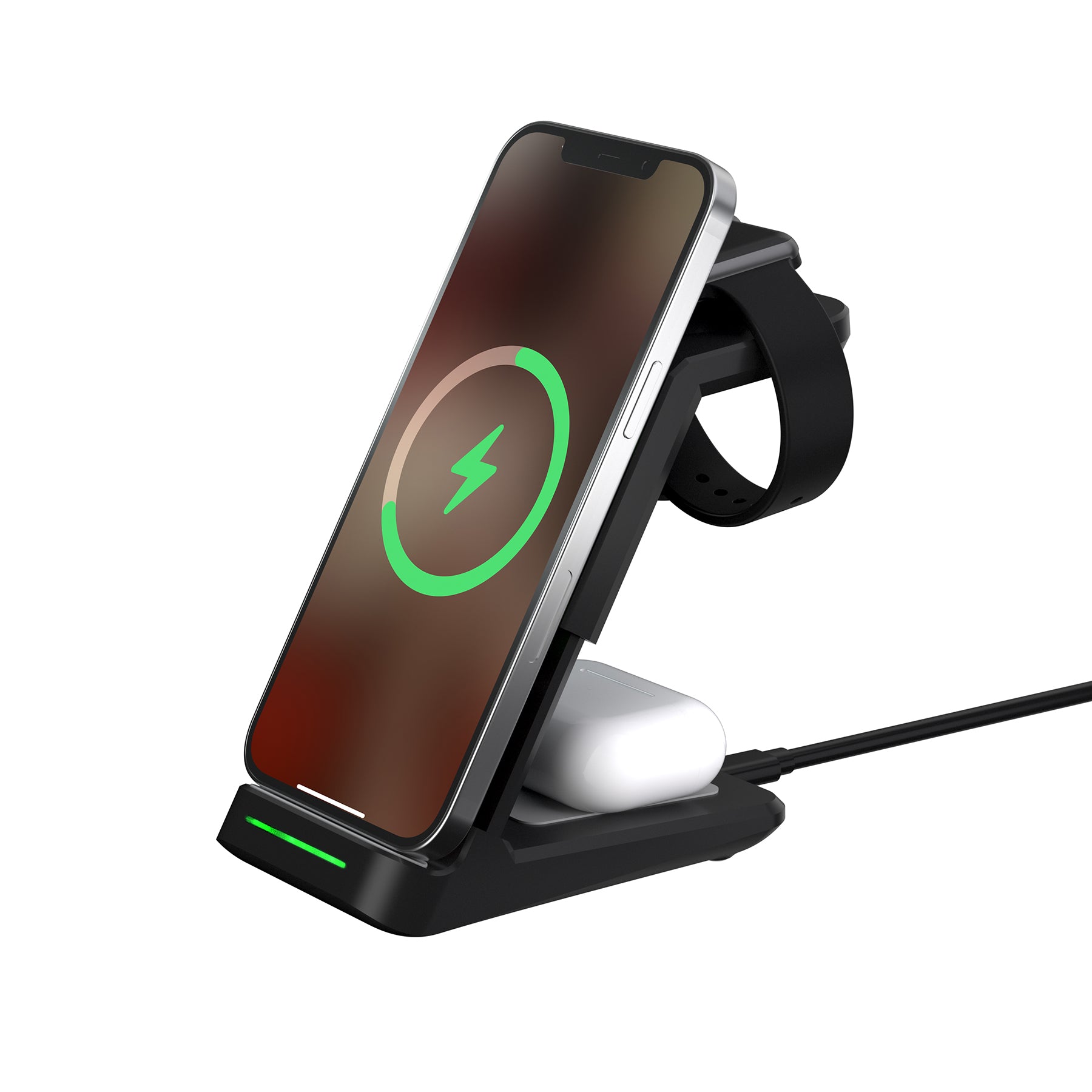
The Science Behind Wireless Charging: How It Works
Wireless charging is an innovative technology that allows devices to recharge without the hassle of cables. The principle behind this technology primarily involves electromagnetic induction, which is the process of generating electric current through magnetic fields. A typical configuration consists of a charging pad connected to a power source and a receiver coil embedded in the device, such as a smartphone. When the device is placed on the pad, an alternating current flows through the pad's coil, creating a magnetic field. This field induces a voltage in the coil of the receiver, converting it back into usable electrical energy to charge the device's battery.
The efficiency of wireless charging can be influenced by several factors. The alignment of the charging coils is crucial; if the device is not properly aligned with the charging pad, the energy transfer may be less efficient. Additionally, the charging standards, such as Qi, play a significant role in compatibility and efficiency. Most modern smartphones support this technology, making it a convenient choice for users looking to minimize cable clutter. As wireless charging technology continues to evolve, advancements are being made to increase its speed and efficiency, bringing us closer to a future where wireless charging becomes the norm.
Counter Strike: A Classic Multiplayer Shooter
Counter Strike is a highly acclaimed first-person shooter game that has defined the tactical shooter genre since its release. Players can join various game modes as either terrorists or counter-terrorists, showcasing teamwork and strategy. If you're also interested in enhancing your gaming experience, check out the Top 10 iPhone accessories under 50 to find some great gear. The game's competitive nature and skill-based mechanics have resulted in a loyal player base, making it a staple in esports and gaming communities worldwide.
Are Wireless Chargers Slower? Debunking Common Myths
One of the most prevalent misconceptions about wired chargers is that wireless chargers are inherently slower. In reality, the charging speed can vary depending on several factors such as the charger’s wattage, the device’s compatibility, and even the case used while charging. Many modern wireless chargers support fast charging technology, providing up to 15 watts of power, which can be comparable to that of a standard wired charger. However, it's essential to ensure that both the charger and the smartphone are capable of fast wireless charging to take advantage of this feature.
Another myth is that wireless charging is inefficient and wastes battery power. While it’s true that wireless charging can be slightly less efficient than wired charging, advancements in technology have significantly reduced this gap. Today’s wireless chargers utilize Qi technology, which minimizes energy loss. Additionally, users can optimize their charging experience by properly aligning their devices on the charging pad and removing any obstacles, such as thick cases. Thus, while there might be slight differences in speed and efficiency, wireless chargers are continually closing the gap and offer convenience without drastically sacrificing performance.
Is Wireless Charging Safe for Your Devices?
Wireless charging has gained immense popularity due to its convenience and the elimination of tangled cords. However, many users question is wireless charging safe for your devices? The short answer is yes, generally, it is safe. Modern wireless chargers utilize a technology called inductive charging, which involves a charging pad and a receiver coil in the device. This method is designed to reduce the risk of overheating and damage to the battery. For optimal safety, ensure you use certified chargers that meet industry standards to avoid potential issues.
Another aspect to consider is wireless charging safety concerning battery life. While wireless charging can be efficient, frequent use may generate heat, which can impact battery longevity over time. It is advisable to avoid using wireless charging in extreme temperatures and to periodically check your device for excess heat. In conclusion, if you're using high-quality wireless chargers and managing heat effectively, wireless charging remains a safe and efficient option for powering your devices.