From Smart Contracts to Self-Custody: Unpacking the Tech That Guarantees Fair Play & Your Ownership
At the heart of Web3's promise of fair play and true ownership lies a suite of powerful, interconnected technologies. Foremost among these are smart contracts – self-executing agreements whose terms are directly written into lines of code. These digital contracts automatically enforce their conditions without the need for intermediaries, drastically reducing the potential for fraud or disputes. Imagine a scenario where a royalty payment is instantly and transparently distributed to artists as soon as a song is streamed, or where funds are automatically released from an escrow once predetermined conditions are met. This programmatic certainty, combined with the immutability of blockchain ledgers, creates an environment where rules are transparent and unchangeable, fostering trust and ensuring that agreements are honored exactly as intended.
Beyond the operational backbone provided by smart contracts, self-custody emerges as the cornerstone of individual ownership in the Web3 paradigm. Unlike traditional financial systems where third-party institutions hold your assets, self-custody empowers users to maintain direct, sole control over their digital wealth. This is typically achieved through cryptographic keys – a private key acting as your ultimate proof of ownership. While this responsibility demands careful management and security awareness, it eliminates counterparty risk and the possibility of your assets being frozen or seized without your consent. This direct ownership, facilitated by robust cryptographic principles and accessible through various wallet solutions, represents a fundamental shift, giving individuals unprecedented autonomy over their digital possessions and embodying the true spirit of decentralization.
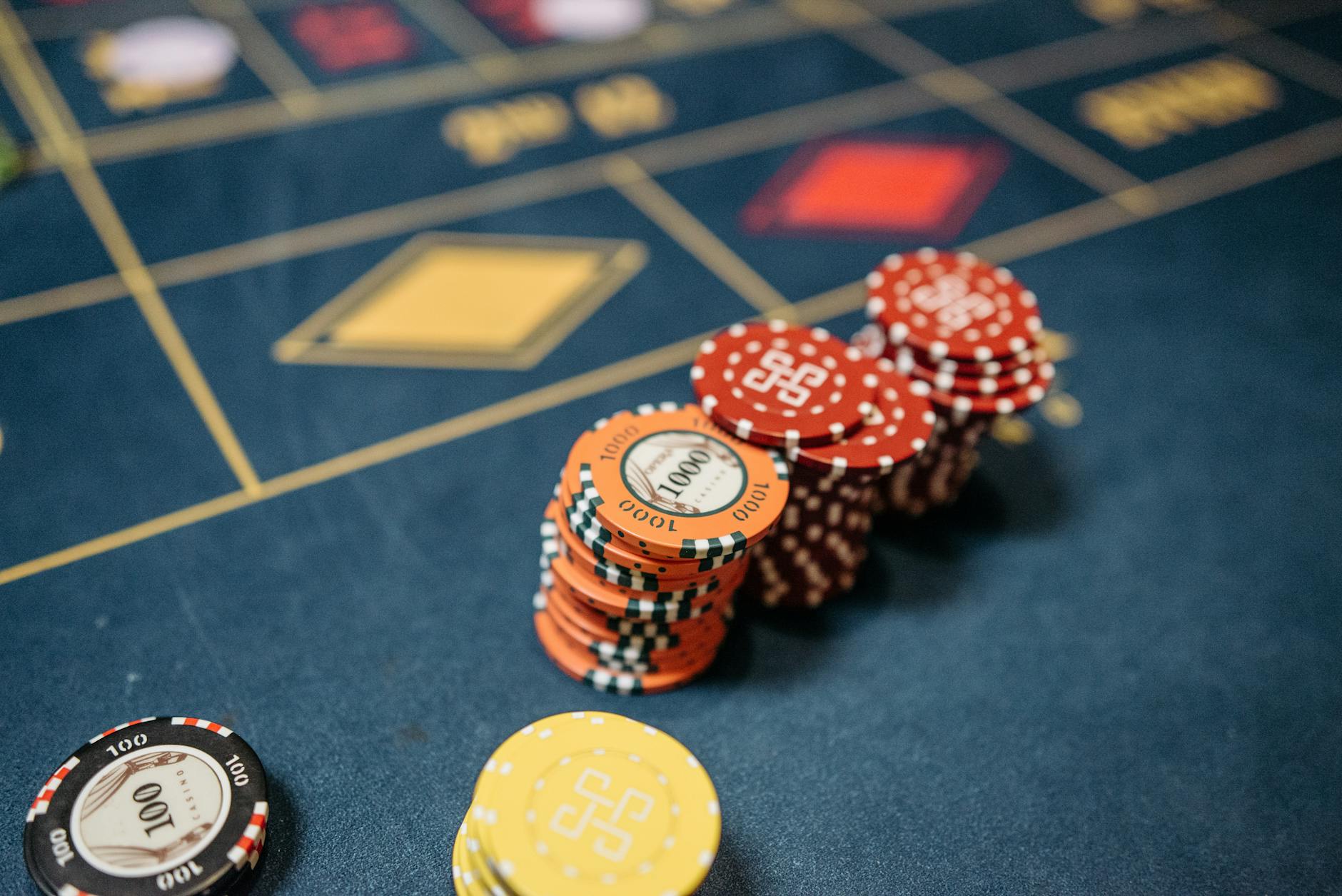
A bitcoin casino offers a unique and often anonymous gambling experience, allowing players to bet with various cryptocurrencies. These platforms often boast faster transactions and enhanced security features compared to traditional online casinos. With the rise of digital currencies, bitcoin casinos have become a popular choice for those seeking cutting-edge and decentralized gaming options.
Beyond the Buzz: How to Spot a Truly Decentralized Casino & Safeguard Your Stake
Navigating the burgeoning landscape of decentralized casinos requires more than just a passing glance at catchy marketing. To truly safeguard your stake, you must look beyond the buzzwords and scrutinize their operational mechanics. A genuinely decentralized casino will offer verifiable on-chain transparency for all transactions, including game outcomes and payouts. This means you should be able to publicly audit the smart contracts governing the games, ensuring fairness and immutability. Be wary of platforms that merely claim decentralization while still relying on opaque off-chain processes for core functionalities. Look for evidence of community-governance models, where token holders have a say in platform development and treasury management, rather than a centralized entity pulling all the strings.
Furthermore, discerning a truly decentralized casino involves understanding its underlying technical architecture and how it withstands censorship and single points of failure. A key indicator is the distribution of its smart contracts and front-end infrastructure across a robust, decentralized network, rather than being hosted on a few centralized servers. Consider the following when evaluating:
- Smart Contract Audits: Are there publicly available, independent audits verifying the integrity and security of their code?
- Provably Fair Mechanisms: Can you easily verify the randomness and fairness of each game round using cryptographic proofs?
- Decentralized Oracles: If external data is involved (e.g., sports scores), how are these feeds brought onto the blockchain in a decentralized and tamper-proof manner?