From Smart Contracts to Self-Custody: Unpacking the Tech Behind Transparent Gaming and Your True Ownership
The promise of transparent gaming hinges on groundbreaking technologies, primarily smart contracts and decentralized networks. Smart contracts, self-executing agreements coded directly onto a blockchain, automate game logic, enforce rules, and manage in-game assets without the need for a central authority. This means everything from loot box odds to item scarcity is verifiable and immutable. Imagine a game where
“the house always wins” is replaced by “the rules are always fair and visible to everyone.”Furthermore, these contracts facilitate a truly player-centric economy, enabling direct peer-to-peer trading and eliminating intermediaries. This foundational shift ensures that game mechanics and asset ownership are not only transparent but also resistant to manipulation, fostering a new era of trust in digital entertainment.
Beyond the operational transparency offered by smart contracts, self-custody is the cornerstone of true ownership in this evolving gaming landscape. Traditionally, in-game items were merely licenses to use, revocable by the game developer. With blockchain-based gaming, however, your digital assets are stored directly in your personal cryptocurrency wallet, giving you complete and unequivocal control. This means:
- No more fear of account bans leading to loss of valuable items.
- The ability to freely trade, sell, or even transfer your assets to other compatible games.
- A genuine claim to ownership that extends beyond the developer's purview.
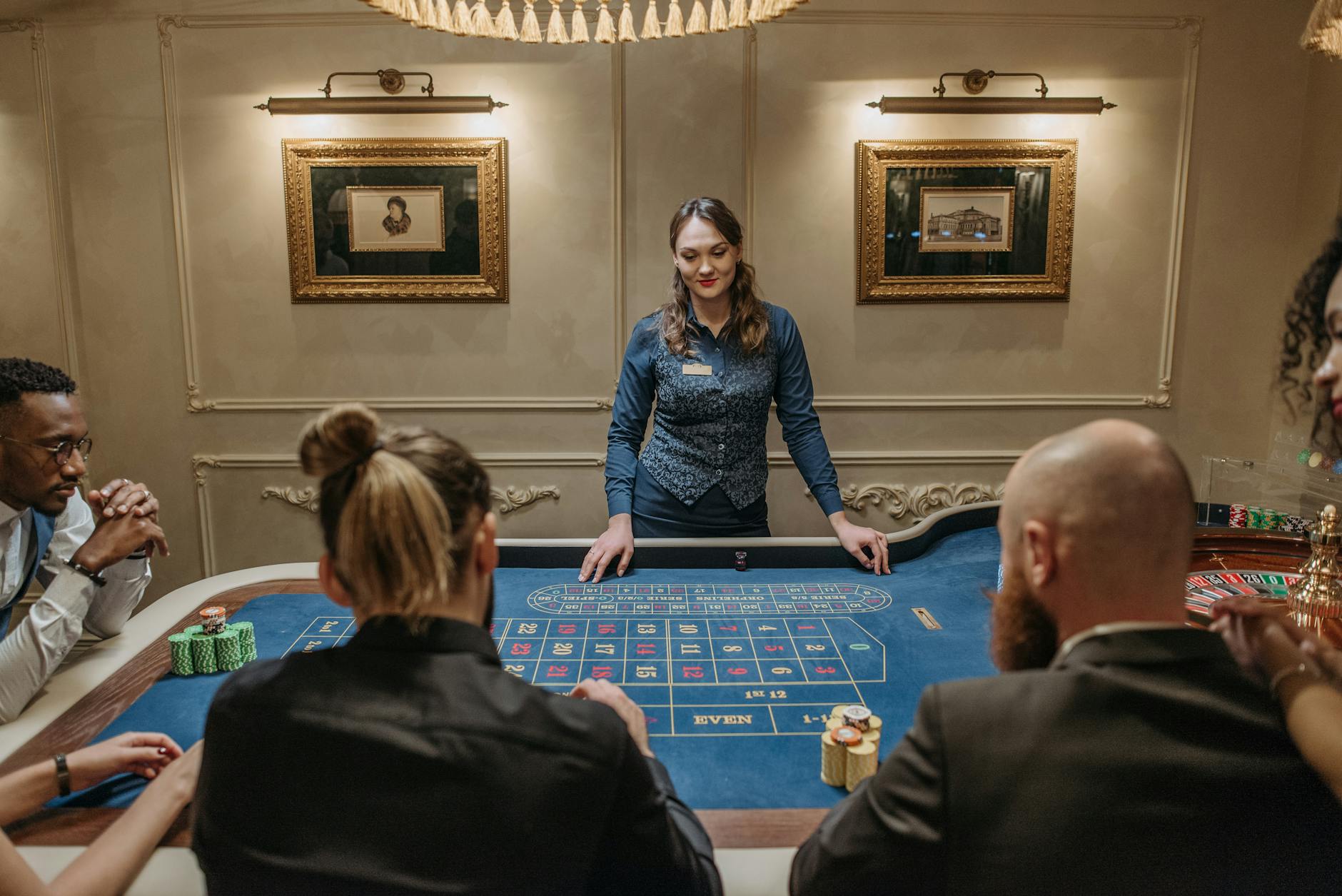
Experience the future of online gaming with a tron casino, offering fast transactions and exciting games on the TRON blockchain. These platforms provide a decentralized and transparent gaming environment, appealing to players seeking innovation and security in their casino experience.
Beyond the Buzzwords: A Practical Guide to Finding & Playing at Decentralized Casinos (and What to Ask First)
Navigating the world of decentralized casinos can feel like stepping into a labyrinth of unfamiliar terms and technologies. While the promise of transparency, provably fair gaming, and player-centric experiences is enticing, it's crucial to look beyond the marketing buzzwords. Many platforms claim decentralization, but the degree to which they truly embody these principles varies greatly. Before you even consider depositing funds, a practical approach involves meticulous research into the underlying blockchain technology, the smart contract audit reports (if publicly available), and the overall governance model. Don't be swayed by flashy interfaces alone; true decentralization lies in the verifiable code and community involvement. Learning to discern genuine decentralized solutions from centralized platforms masquerading as such is your first, and most critical, step.
Once you’ve identified a potentially legitimate decentralized casino, it’s time to start asking the right questions – and this is where many new players falter. Your due diligence shouldn't stop at the surface level. Here's a practical checklist to guide your inquiries:
- How are game outcomes determined and verified? Look for provably fair algorithms with easily accessible verification tools.
- Is the casino's treasury managed by smart contracts, and are these contracts immutable and publicly auditable? This is key to understanding fund security.
- What are the withdrawal limits and fees, and are they transparently enforced by the smart contract? Hidden fees can quickly erode your winnings.
- What is the platform's policy on network congestion or gas fee spikes affecting gameplay or transactions? Decentralized means exposure to blockchain network dynamics.
- What community governance mechanisms are in place? True decentralization often involves token holders having a say in critical decisions.
By asking these questions, you move from simply hearing buzzwords to understanding the practical implications of a decentralized gaming experience.